
Pekin Garage Door Guide
Is Your Old Pekin Garage Door Worth Fixing, or Time to Replace
Pekin homes mostly date from the 1960s and 70s. Here's how to tell if your original garage door and hardware are worth repairing or past it.
- Licensed & Insured
- Same-Area Service Calls
- Upfront Pricing
Season by Season
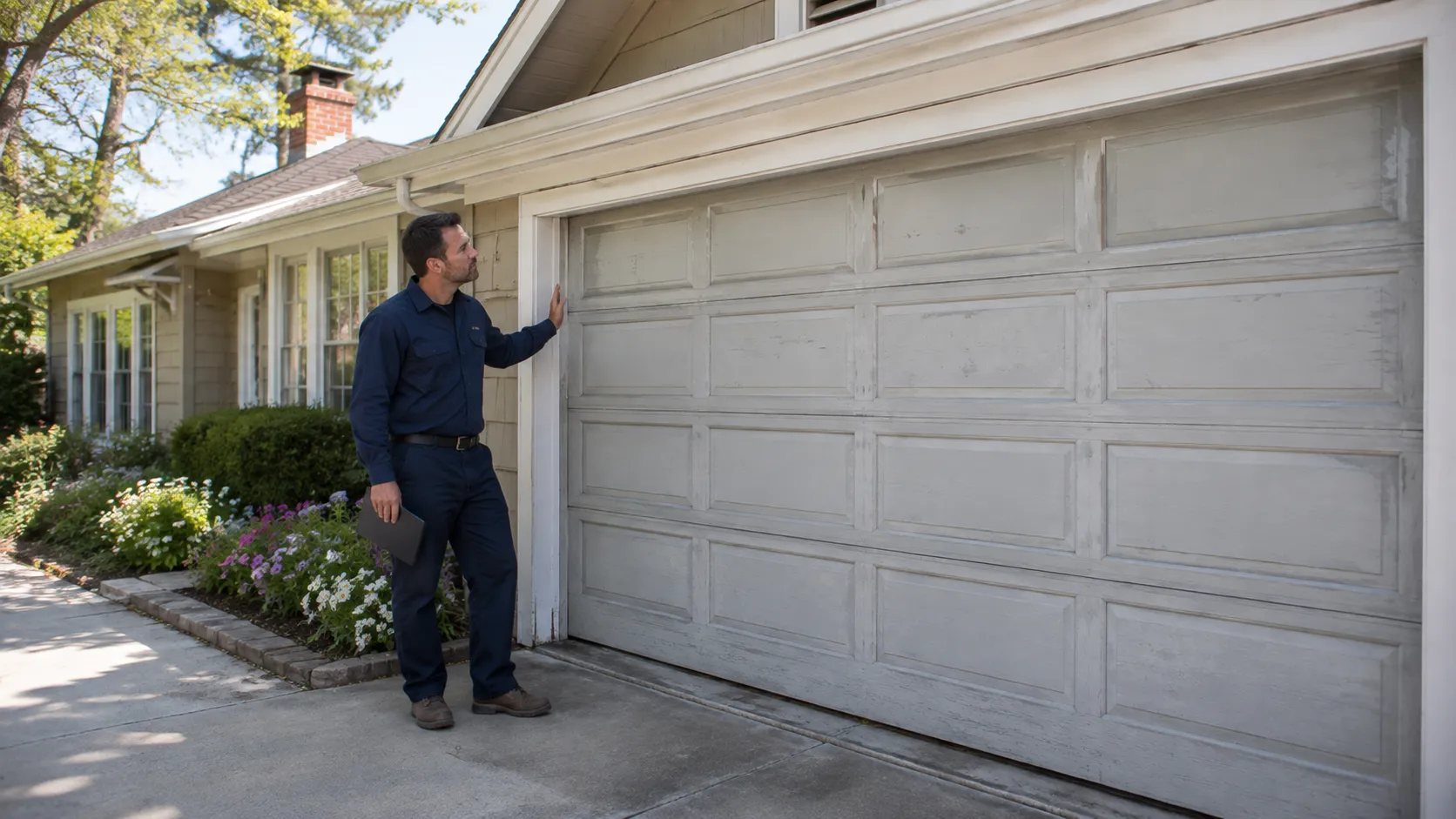
Pekin sits in a cold-moderate climate band, which means the door on your house works through real freeze-thaw cycles every winter and humid stretches in summer. That swing is hard on anything metal or wood that was installed decades ago. Cold mornings shrink steel tracks and stiffen lubricant on rollers, so a door that closed fine in October can start binding by January.
Come spring, condensation and thaw cycles work into any wood trim or a wood-composite panel, and that's where you see bottom panels start to sag or delaminate first. Summer humidity swells wood jambs slightly, which can throw off an already marginal track alignment. None of this is dramatic - it's slow wear, the kind that adds up over a 1960s-era door's lifetime rather than announcing itself.
If your door is original to a house built anywhere in the 1938-2002 range that makes up most of this area's housing stock, it's already been through 50-plus of these cycles. That history matters more than how the door looks from the driveway.
The Situation
Housing here runs 1938 to 2002 with a median build year of 1964, and most of the stock across the area's 25 named neighborhoods dates to the 1960s and 70s. That means a large share of garage doors in Pekin are either original to the house or one replacement removed from original - older torsion setups, single-layer steel or wood panels, openers that may have been swapped once but hardware that hasn't. With roughly 27,283 owner-occupied houses in the service area and a median household income of $69,906, most owners here are weighing a repair bill against a replacement bill on a fixed budget, not doing it on a whim.
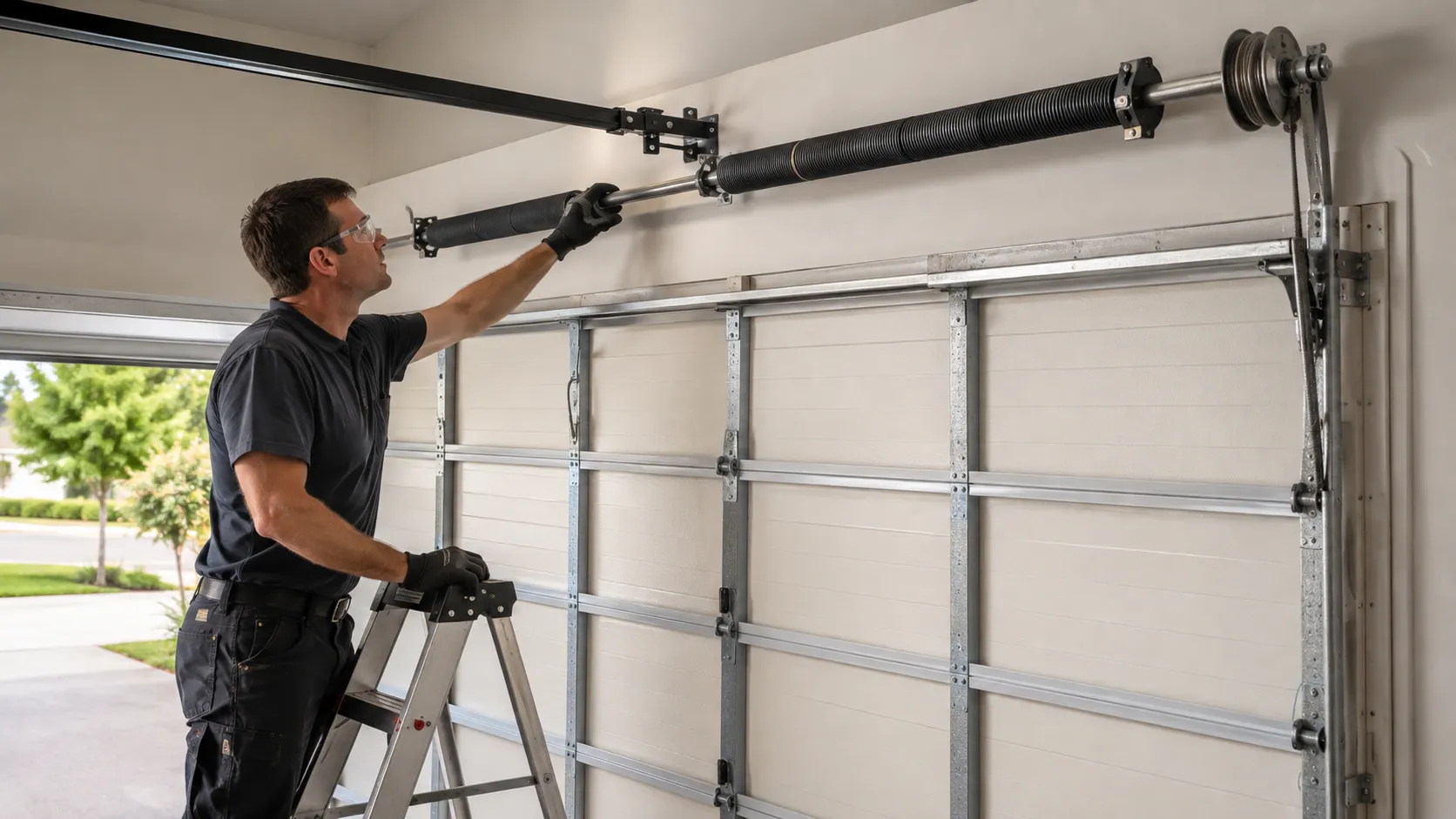
The honest answer is that a lot of these doors are still worth fixing. A torsion spring, a bent track section, or worn rollers on a door from this era can usually be repaired for a fraction of replacement cost, because the panel itself, if it's steel and hasn't rusted through, is often still sound. Where it stops being worth it is when the panel is delaminating from decades of moisture cycling, or the track has been reshaped by repeated cold-weather binding rather than one bad impact.
Where People Go Wrong
The most common mistake on a house from this era is replacing the opener and calling the door fixed. An opener swap doesn't touch the actual problem on a 50-plus-year-old door, which is usually the spring, the hinges, or a track that's slightly out of plumb from decades of seasonal movement. People also tend to under-estimate how much a cold-moderate climate has already done to hardware nobody can see - galvanized cable and springs on an original 1960s or 70s door have had a long run of freeze-thaw cycling, and by the time a cable frays visibly it's often close to failing outright.
The other error is assuming a wood or wood-composite panel that looks fine from a few feet away is structurally fine. Moisture works from the inside out on these older panels, and by the time paint is peeling the substrate underneath may already be soft. We won't repaint a rotted panel and call it solved - that's a replacement, not a repair, and we'll say so rather than patch something that's going to fail again in a season.
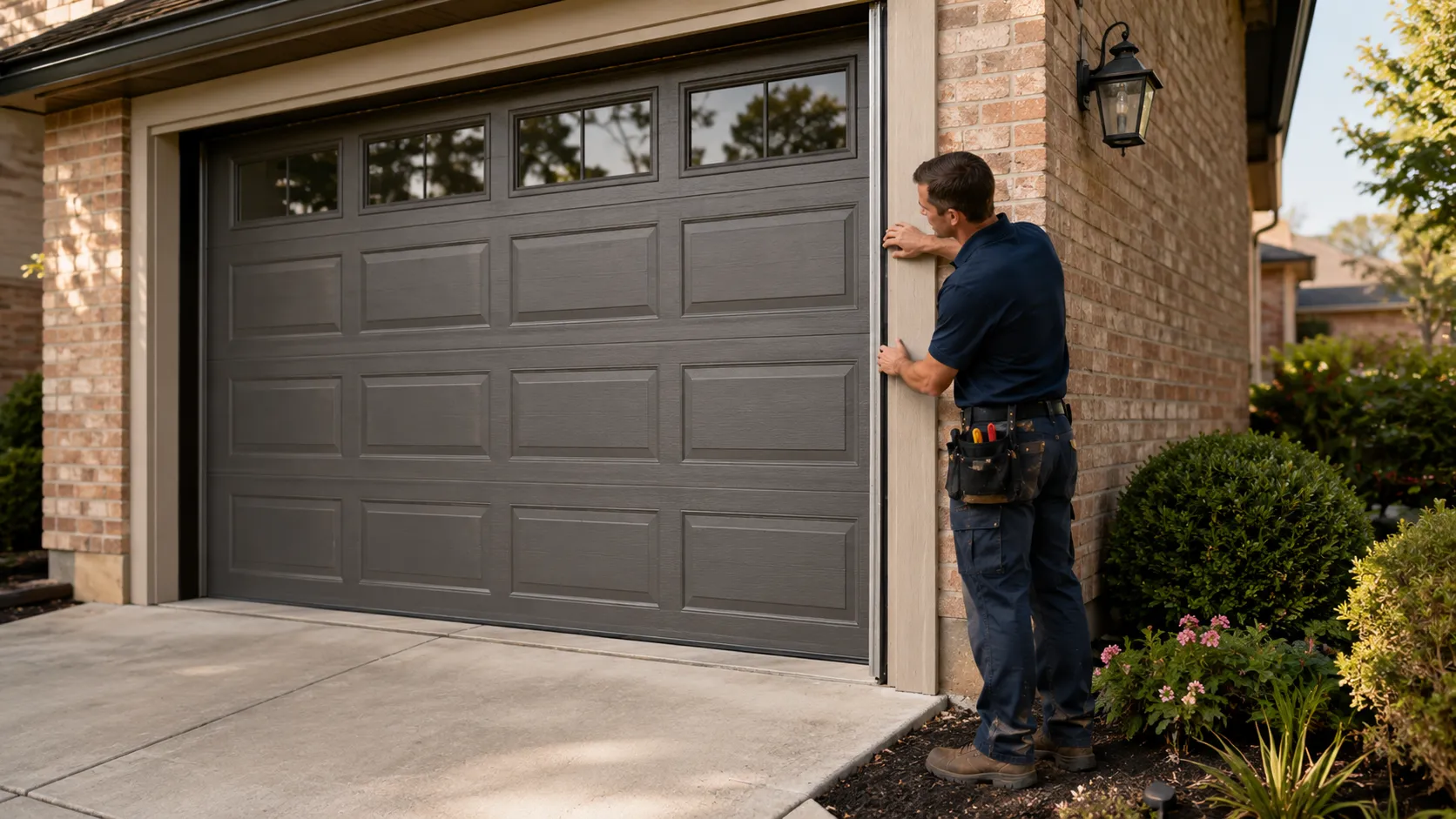
What Local Conditions Do
The cold-moderate band this area sits in doesn't produce the extreme swings of a harsher climate, but it produces steady, repeated freeze-thaw stress every winter, and that's precisely the kind of wear that shortens the working life of a door built in the 1960s or 70s. Steel expands and contracts less than wood, which is part of why a lot of the steel doors from this era have outlasted the wood ones on the same block. Torsion springs lose tension gradually under repeated cold cycling rather than snapping without warning most of the time, so a door that's gotten noticeably harder to lift by hand over a winter is telling you something before it fails outright.
None of this means every old door needs replacing. It means the diagnosis has to account for what decades of this specific climate have actually done to the hardware, not just what the door looks like from outside.
How We Can Help
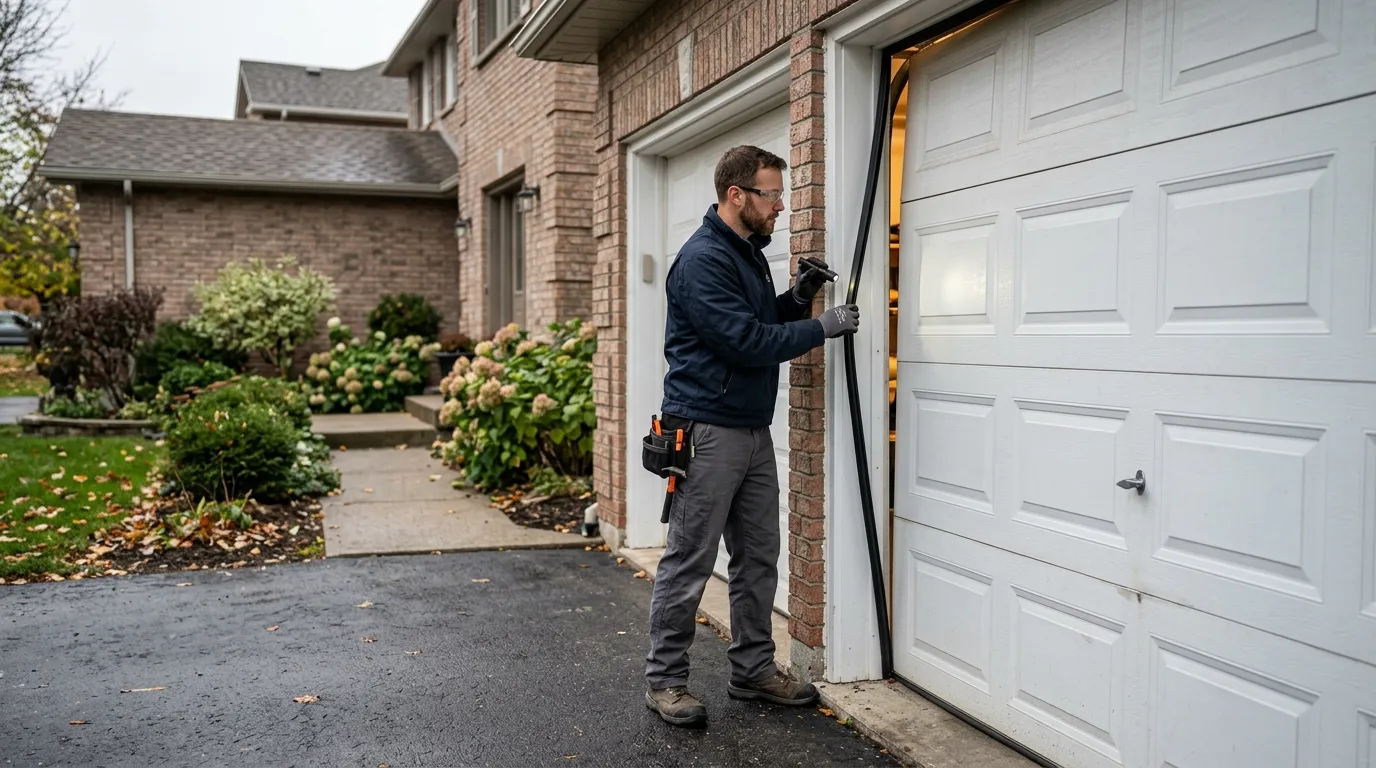
Garage Door Repair
Springs, cables, tracks, rollers, and openers fixed by a tech who explains the problem before touching anything.
Learn more →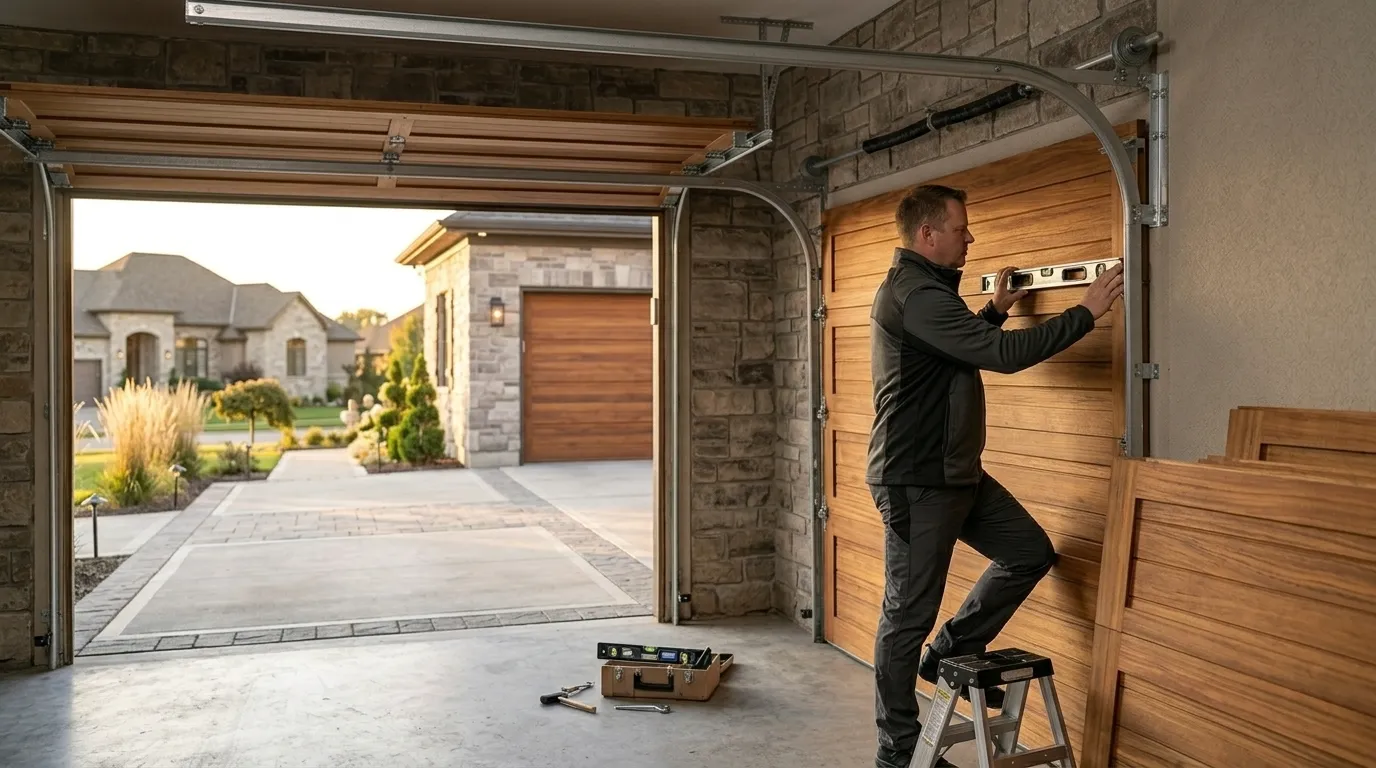
Garage Door Installation
New sectional doors sized and installed for the housing stock actually built in this area.
Learn more →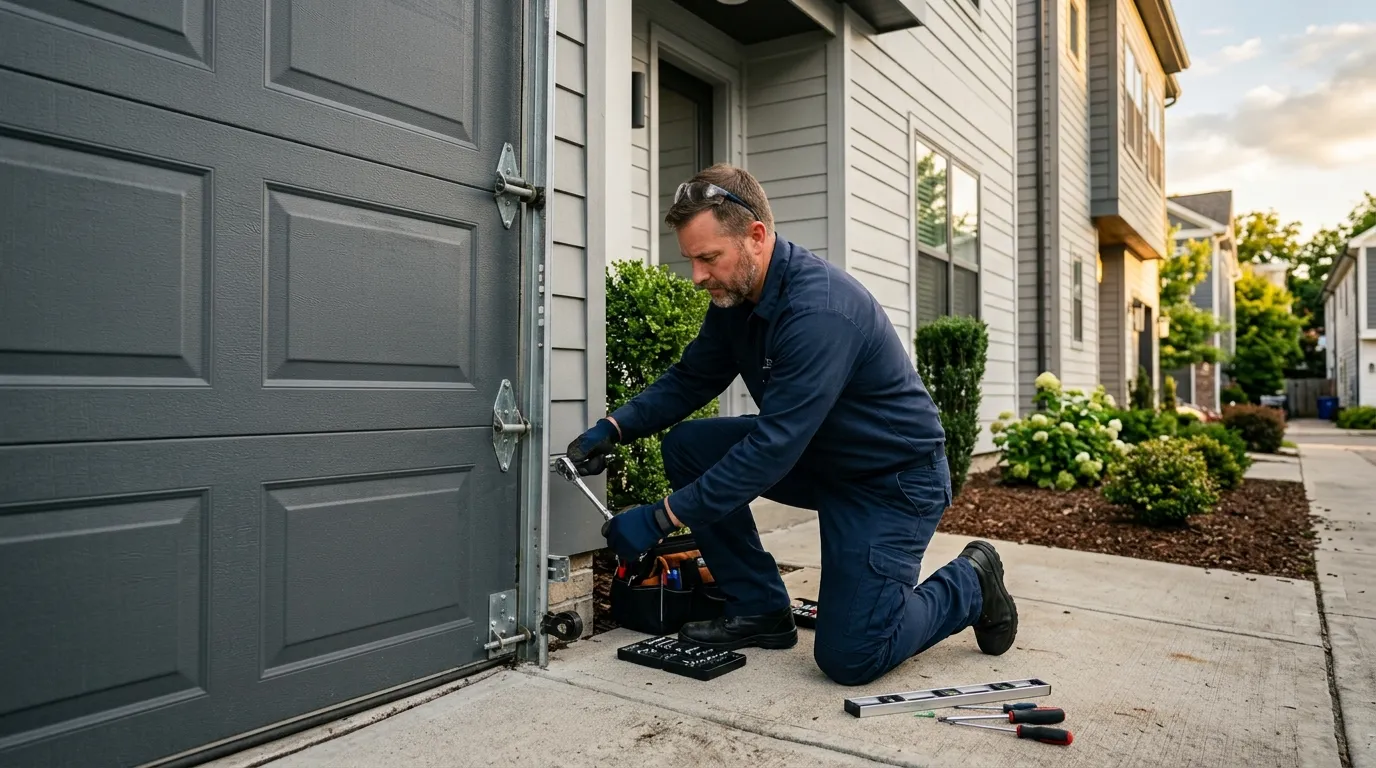
Garage Door Service
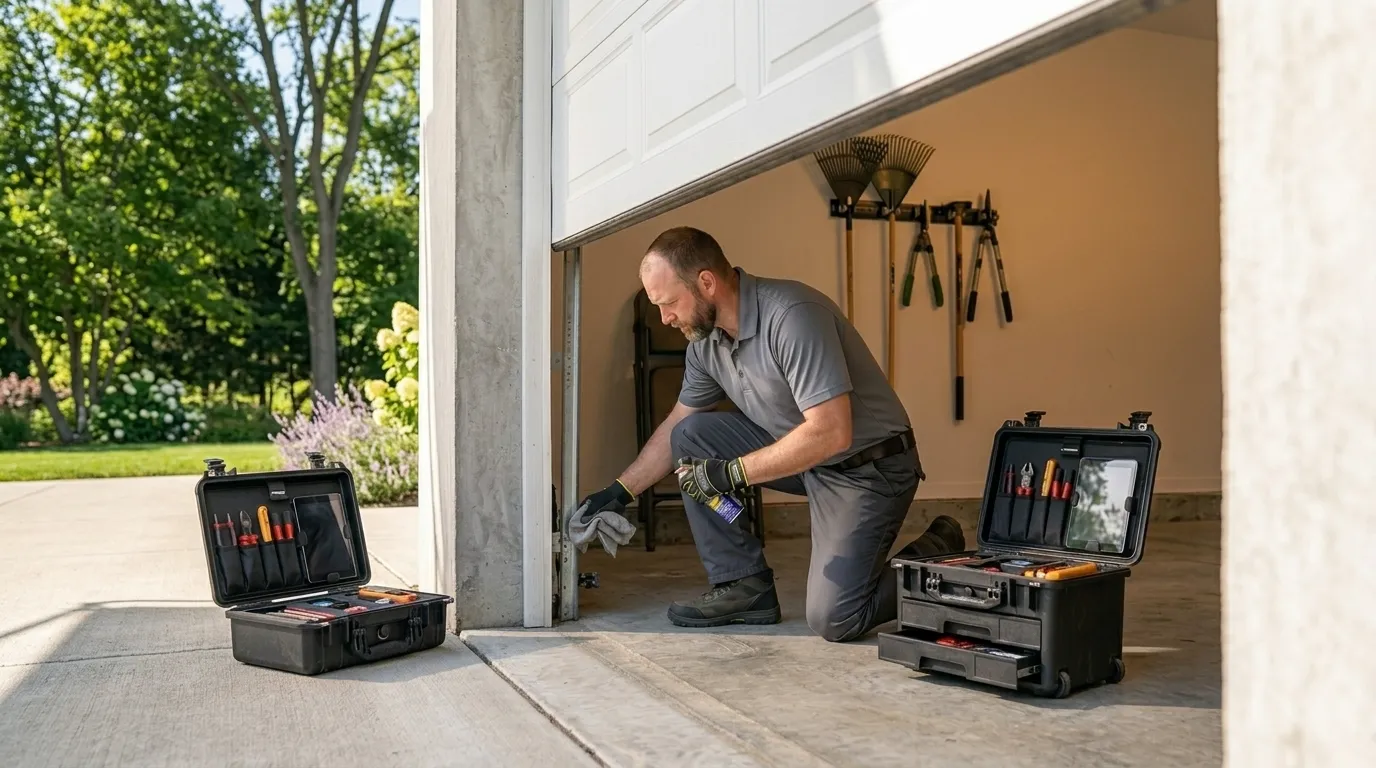
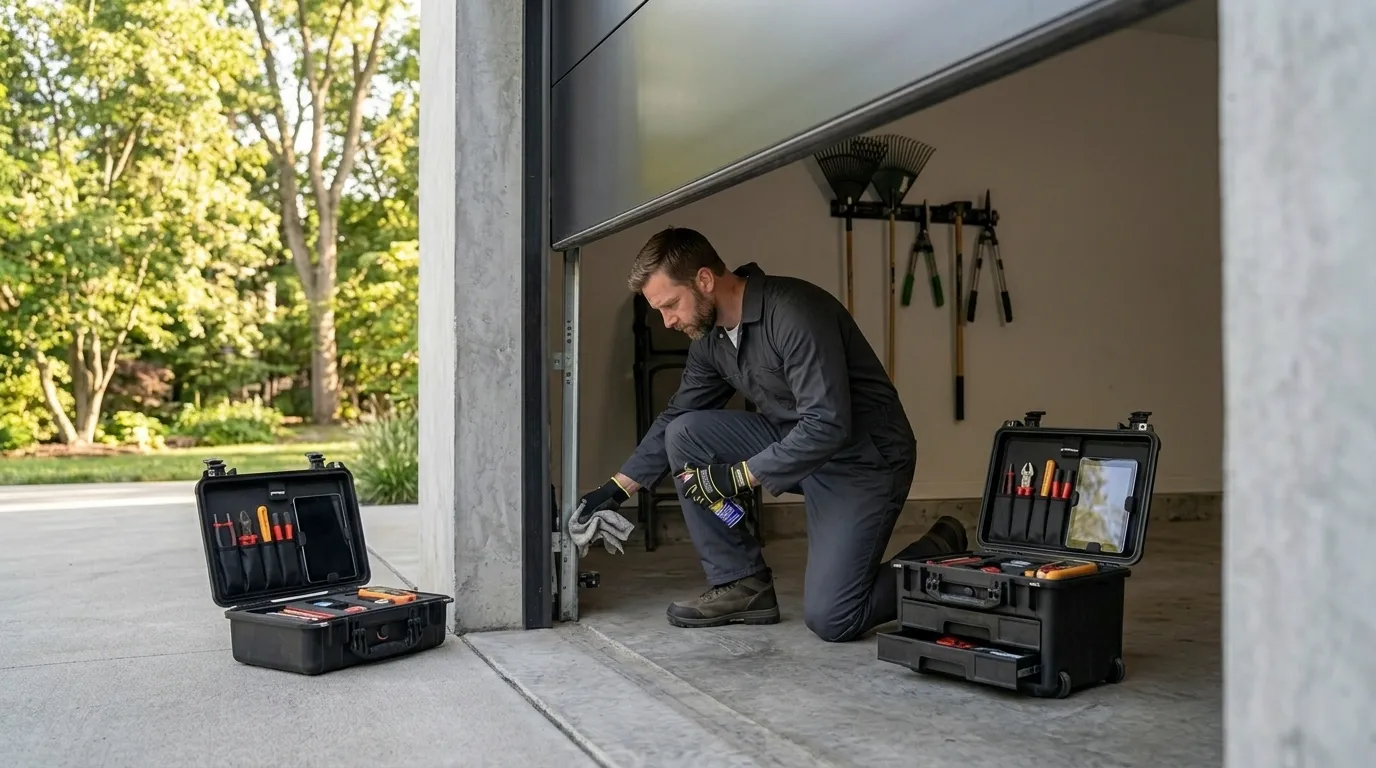
Tune-ups, lubrication, and safety checks that catch a small problem before it becomes a service call.
Learn more →Frequently Asked Questions
How do I know if my garage door spring is original to the house
If your house was built in the 1960s or 70s, which describes most of the housing stock in this area, and nobody's mentioned a spring replacement, assume it's original or close to it. Torsion springs typically last a fixed number of cycles, and a 50-plus-year-old spring on daily use is well past that. A slow-lifting or noisy door is often the first sign.
Is it worth repairing a steel garage door from the 1960s or 70s
Often yes, if the panel itself hasn't rusted through. Steel from this era tends to hold up better than the wood or wood-composite doors installed around the same time, since it doesn't absorb moisture through freeze-thaw cycles the same way. Springs, rollers, and track are usually the parts failing, not the panel, and those are straightforward repairs.
When does an old door stop being worth fixing
When the panel is delaminating, rusted through, or the track has been permanently reshaped by years of binding rather than a single impact. At that point you're patching a structural problem, not a mechanical one, and it tends to come back. A straight repair on hardware is usually worth it; a rebuild of the panel itself usually isn't.
Have a Door That Needs a Second Opinion?
Call and describe what it is doing - we will tell you what it likely is.