
Pekin Garage Door Guide
Weather Seals and Draughts in Pekin Garages, Season by Season
Pekin homes built mostly in the 1960s and 70s lose heat through old garage door seals. Here's how the cold moderate climate here wears them out, season by season.
- Licensed & Insured
- Same-Area Service Calls
- Upfront Pricing
Season by Season
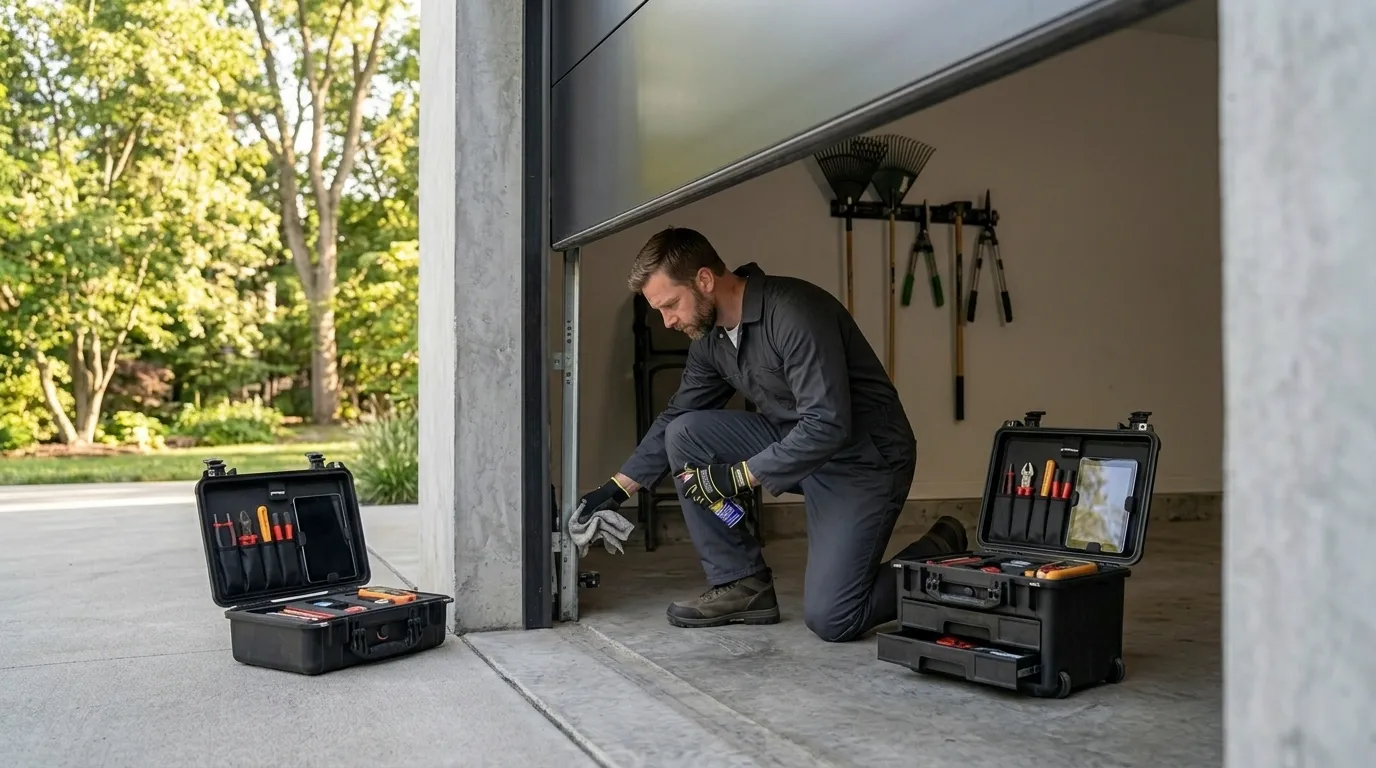
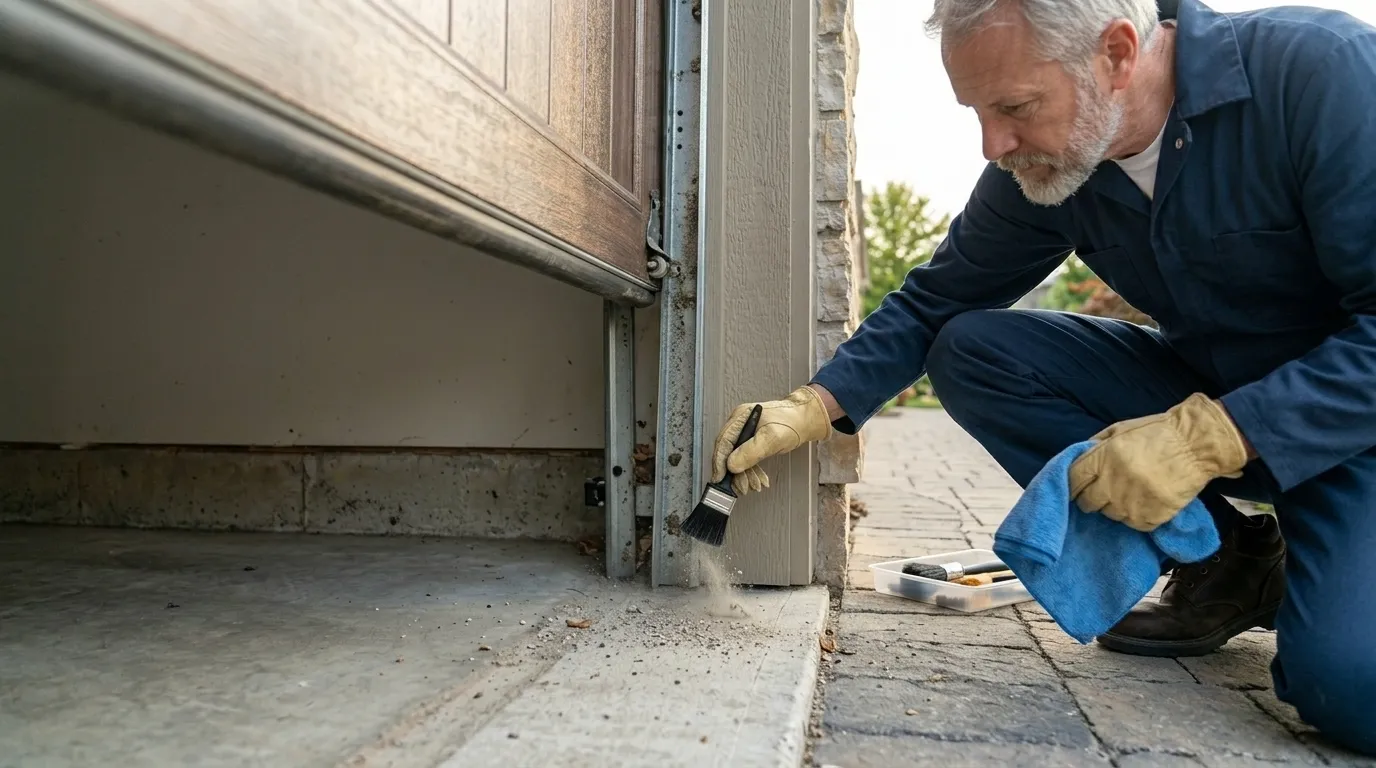
Pekin's climate band is cold moderate, which means the seal on your garage door does two different jobs depending on the month, and neither is easy. In winter, the bottom seal has to hold a line against frost heave under the slab and against wind driving snow sideways under the door. That rubber gets hard and brittle below freezing, and a seal that looked fine in October can crack straight through by February.
Come spring, the same seal has to manage meltwater and ground moisture without letting the door sit in it, which is what starts the bottom panel rusting from underneath. Summer is easier on rubber but hard on wood-trimmed jambs from the older part of the housing stock, where humidity swells the frame just enough to pinch the seal out of its track. By fall, most of the draught complaints we get are from doors where the seal was never replaced after the winter that cracked it.
If you only do one seasonal check, do it in October, before the first hard freeze sets the problem for the next four months.
The Situation
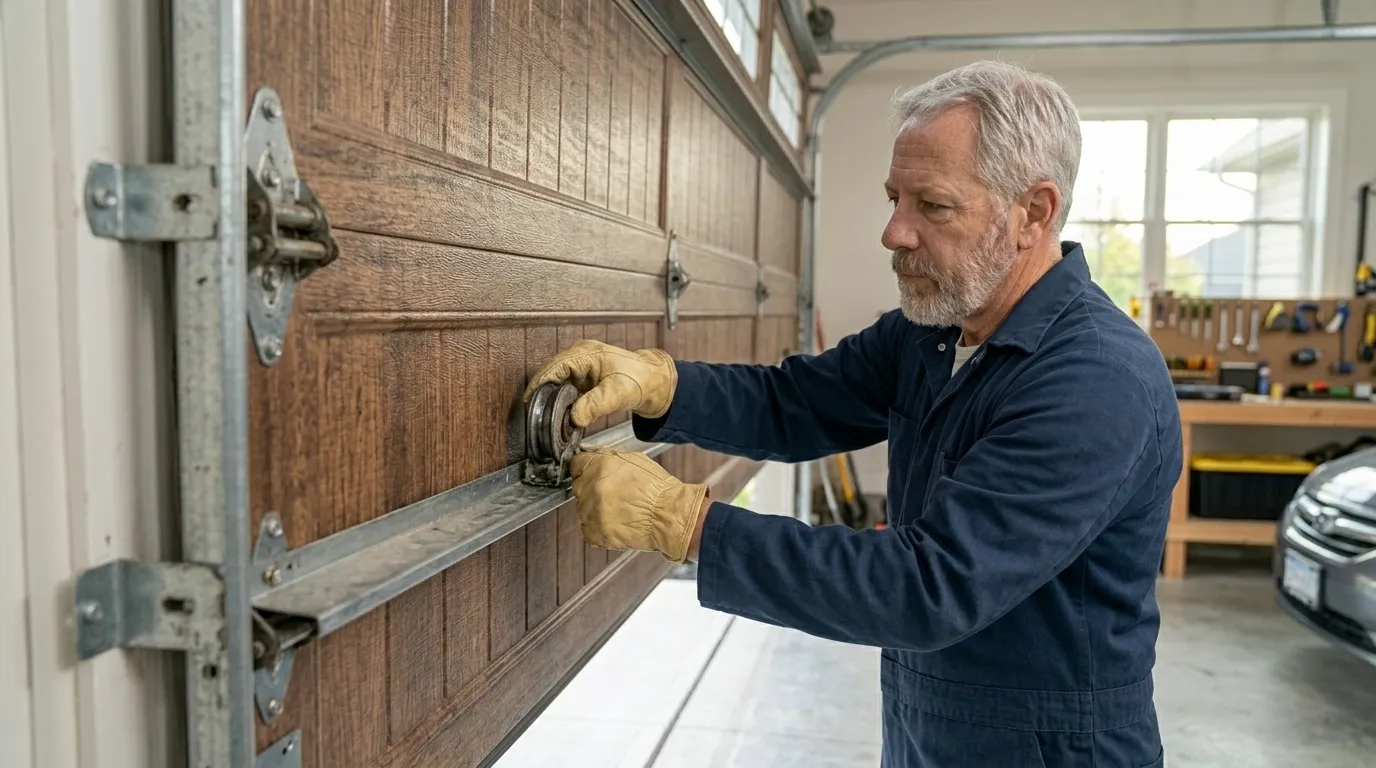
Housing in this area was mostly built between 1938 and 2002, with the median sitting around 1964, and F2 confirms what that looks like on the ground: most garages across the 25 named areas here are 1960s and 70s construction. That means steel doors on tracks that were never designed with today's insulation standards in mind, hung in openings framed before vinyl-bulb seals were standard. A lot of these garages still have the original wood jamb, sometimes shimmed once or twice over the decades, which gives a weather seal an uneven surface to press against even when the seal itself is new.
The result is a draught that isn't really a seal problem at all - it's a framing problem wearing a seal-shaped symptom. We see this pattern often enough in houses from this era that checking the jamb square is one of the first things worth doing before buying a new seal kit and finding out it still doesn't sit flush.
Where People Go Wrong
The most common mistake is replacing the bottom seal and stopping there. On a door from the 1960s-70s stock that makes up most of this area, the side seals and the top seal are usually original too, and they hold as much cold air out as the bottom one does - sometimes more, since they're the pieces nobody thinks to check. Another mistake is buying a universal seal kit sized for modern door tracks and forcing it into an older track profile.
It looks seated but pulls loose within a season because the retainer channel on an older door doesn't grip a wide bulb seal the way current tracks do. And in homes near the older end of the 1938-2002 range, people sometimes chase a draught by adding more foam weatherstripping to a jamb that's actually shifted out of square, which just delays the real fix and adds another layer to strip off later.
What Local Conditions Do
A cold moderate climate doesn't hit a garage door once and move on - it cycles the seal through expansion and contraction dozens of times a winter, and that repeated flexing is what kills rubber faster here than in a milder climate. Add in the age of the housing stock, much of it from the 1960s and 70s, and you get openings that have settled slightly over sixty-plus years, so the seal is being asked to bridge a gap that isn't the same width at the top of the door as it is at the bottom. That's a harder job than a straight, true opening, and it's why a seal that would last five years on new construction might only manage two or three here.
None of this means every draughty door needs full replacement - a lot of the time a proper seal fitted to the actual gap, not the gap the kit assumes, solves it. But if the track itself is bent or the jamb is out more than a small amount, a seal is a patch, not a fix, and it's worth saying so plainly rather than selling a kit that won't hold.
How We Can Help
Garage Door Repair
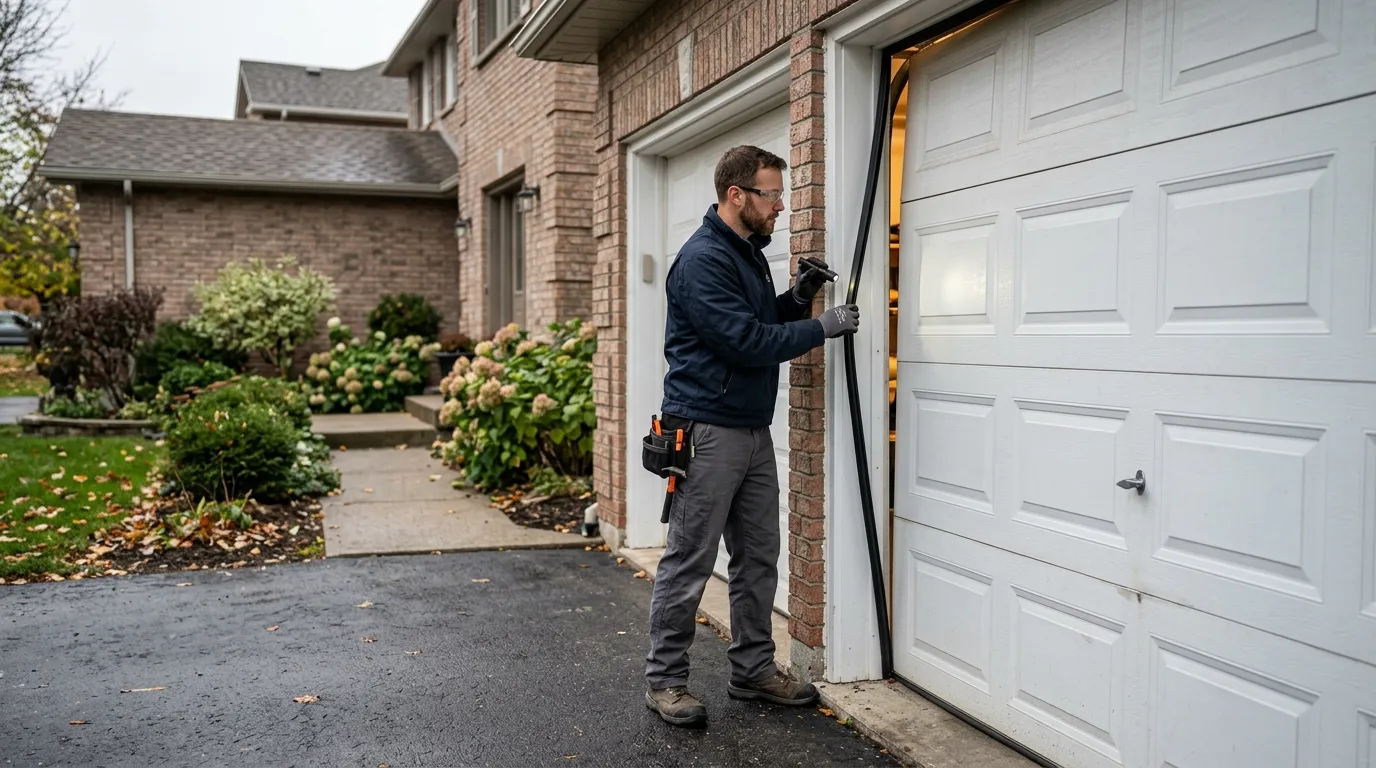
Springs, cables, tracks, rollers, and openers fixed by a tech who explains the problem before touching anything.
Learn more →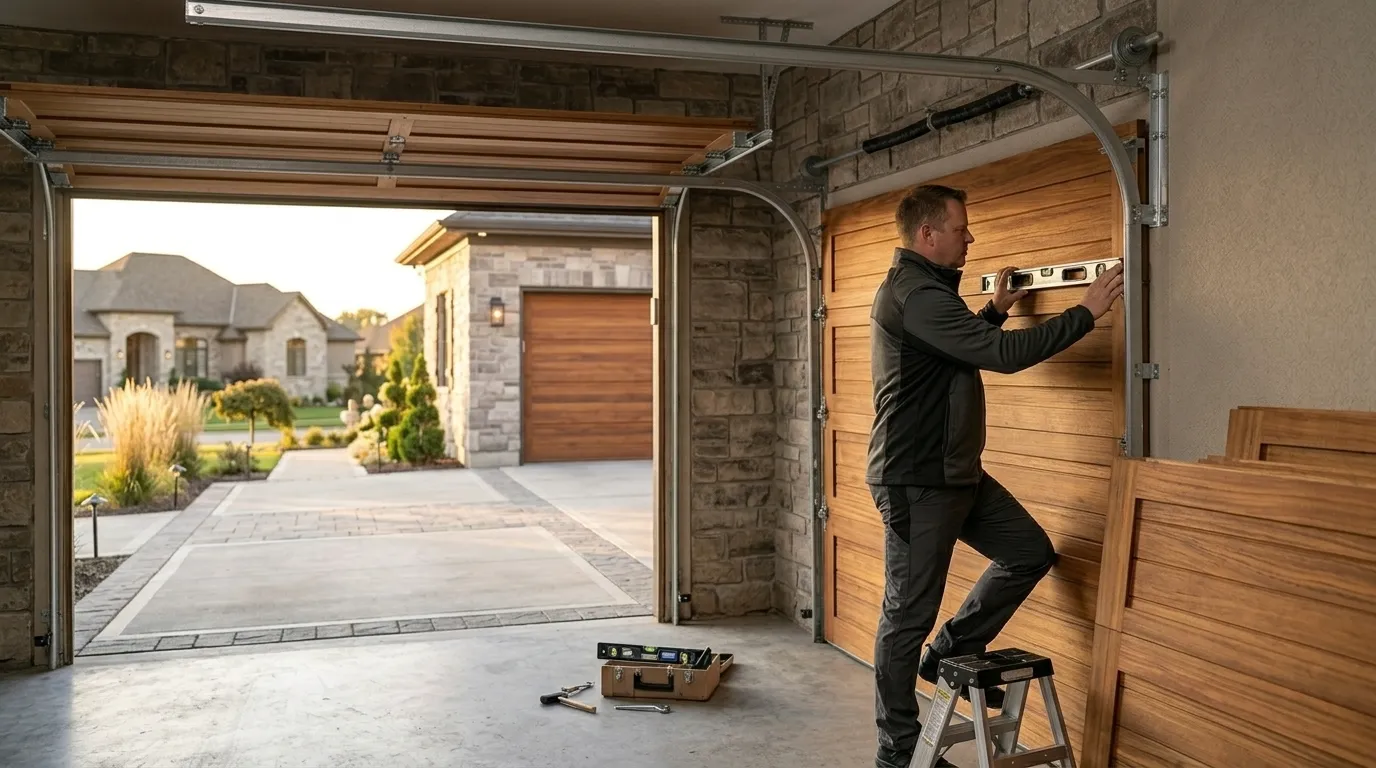
Garage Door Installation
New sectional doors sized and installed for the housing stock actually built in this area.
Learn more →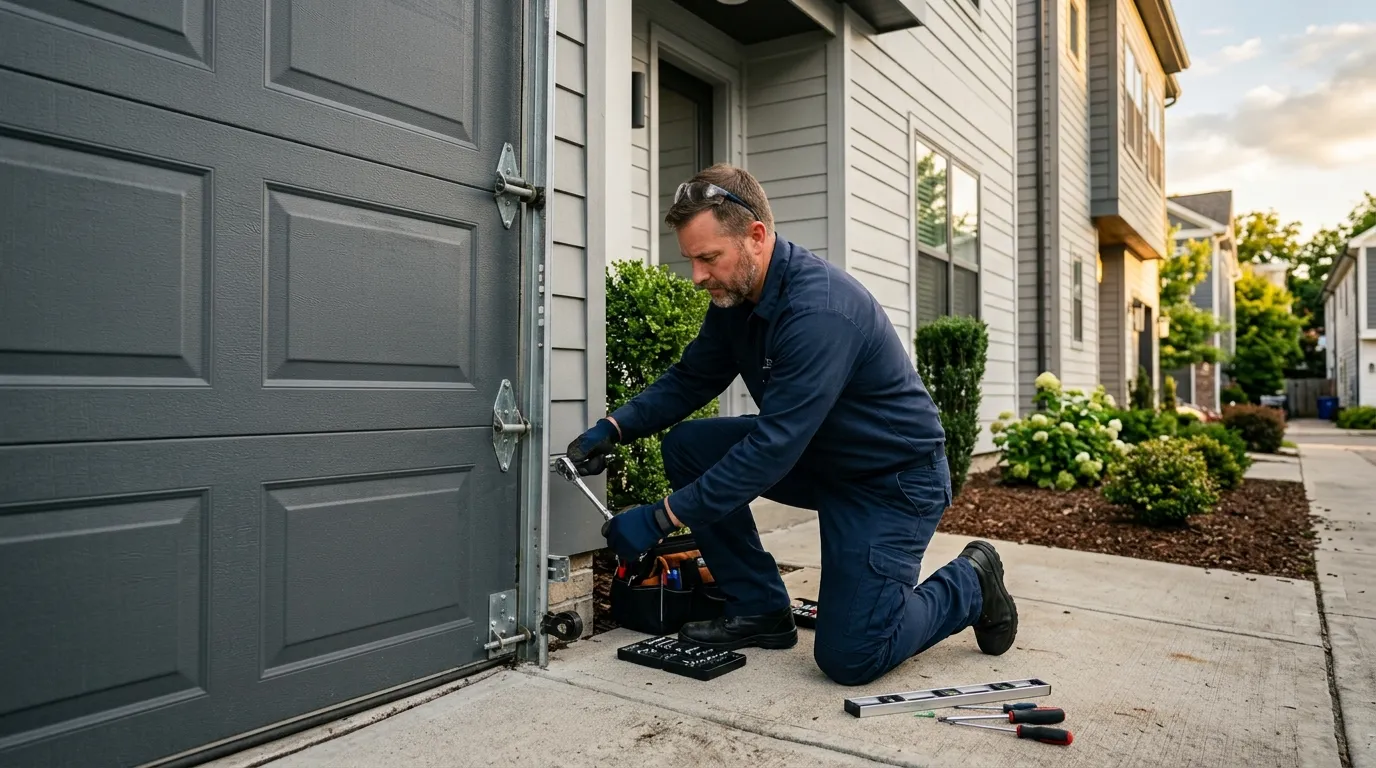
Garage Door Service
Tune-ups, lubrication, and safety checks that catch a small problem before it becomes a service call.
Learn more →Frequently Asked Questions
Why does my garage door seal keep cracking every winter?
In a cold moderate climate like this one, the seal expands and contracts every time the temperature swings across freezing, sometimes several times in a week. Rubber hardens with age and repeated flexing, so a seal that's a few years old is already more brittle than it looks. Older Pekin-area garages with original wood jambs make this worse by giving the seal an uneven surface to bend against.
Is a draught always a seal problem?
No. In houses from the 1960s and 70s stock common across this area, a draught is often a sign the jamb has shifted slightly out of square over the decades, not that the seal itself has failed. Replacing the seal without checking the frame usually means doing the job again within a year or two.
How often should I replace garage door weather seals here?
There's no single number that fits every door, since it depends on the age of the track and how square the opening still is. What we can say is that a cold moderate climate cycles seals harder than a mild one does, so checking condition every fall before the first freeze is worth more than following a fixed replacement schedule.
Have a Door That Needs a Second Opinion?
Call and describe what it is doing - we will tell you what it likely is.