
Pekin Garage Door Guide
What Pekin's Winters Do to Openers and Power to the Garage
Pekin's housing stock runs 1938 to 2002 with a 1964 median build year, and the cold winters here mean openers and power cuts hit older tracks and hardware hard.
- Licensed & Insured
- Same-Area Service Calls
- Upfront Pricing
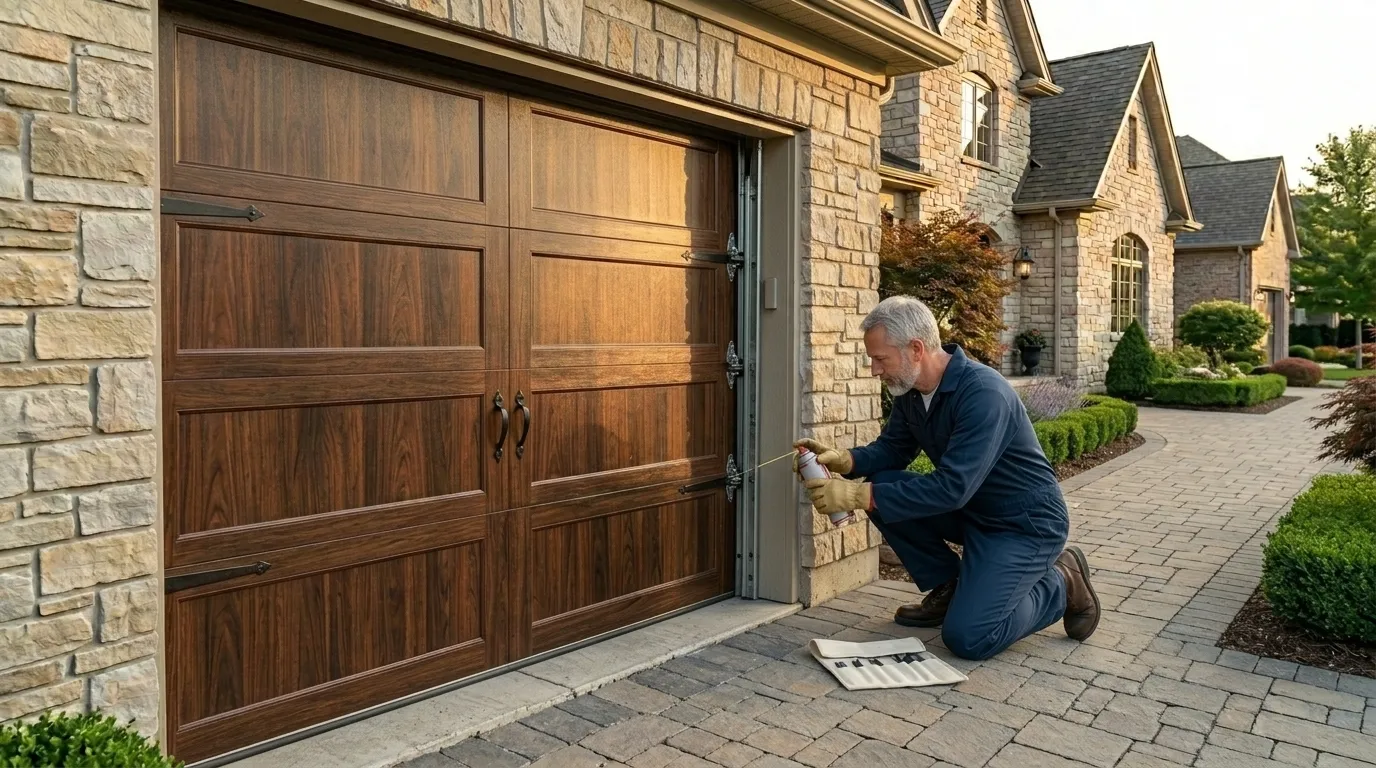
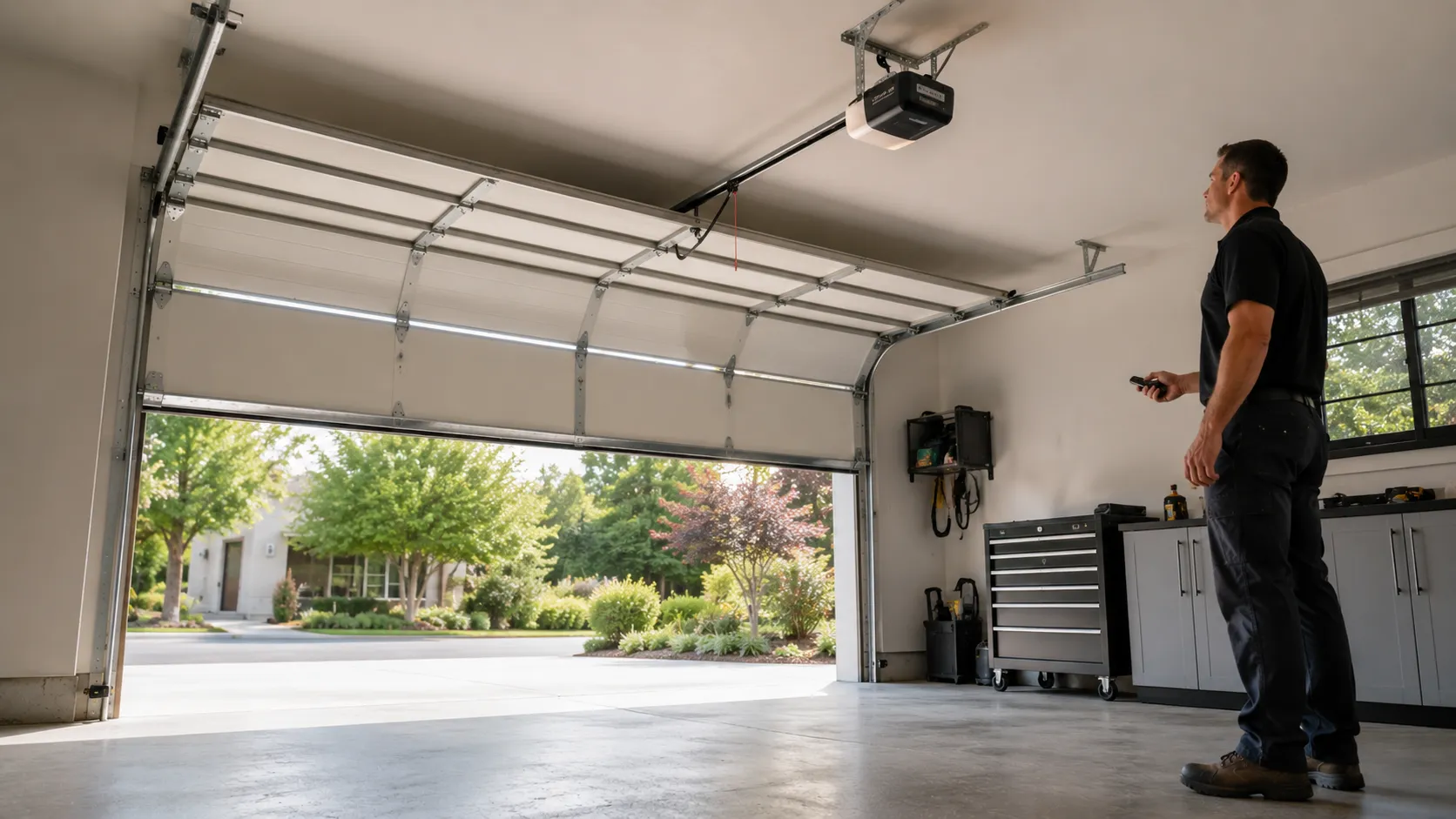
Season by Season
Pekin sits in a cold-moderate climate band, which means the swing from a mild fall to a hard freeze happens fast, sometimes inside a single week. That swing is what wears out openers, not any one storm. In late fall, grease inside older gear-drive openers thickens as temperatures drop, and the motor has to work harder to pull a door that used to move fine.
By mid-winter, when a power cut hits during an ice event, homeowners find out for the first time that their opener has no manual release they know how to use, or that the battery backup (if there ever was one) died years ago. Spring brings its own problem: moisture from melting snow gets into wall outlets and older wiring runs, tripping breakers tied to the opener circuit. None of this is dramatic.
It's steady wear that shows up as one dead unit on the coldest morning of the year. A house built in the 1960s, which describes a large share of homes here, has had sixty-plus winters to accumulate this kind of fatigue in its garage electrical and hardware.
The Situation
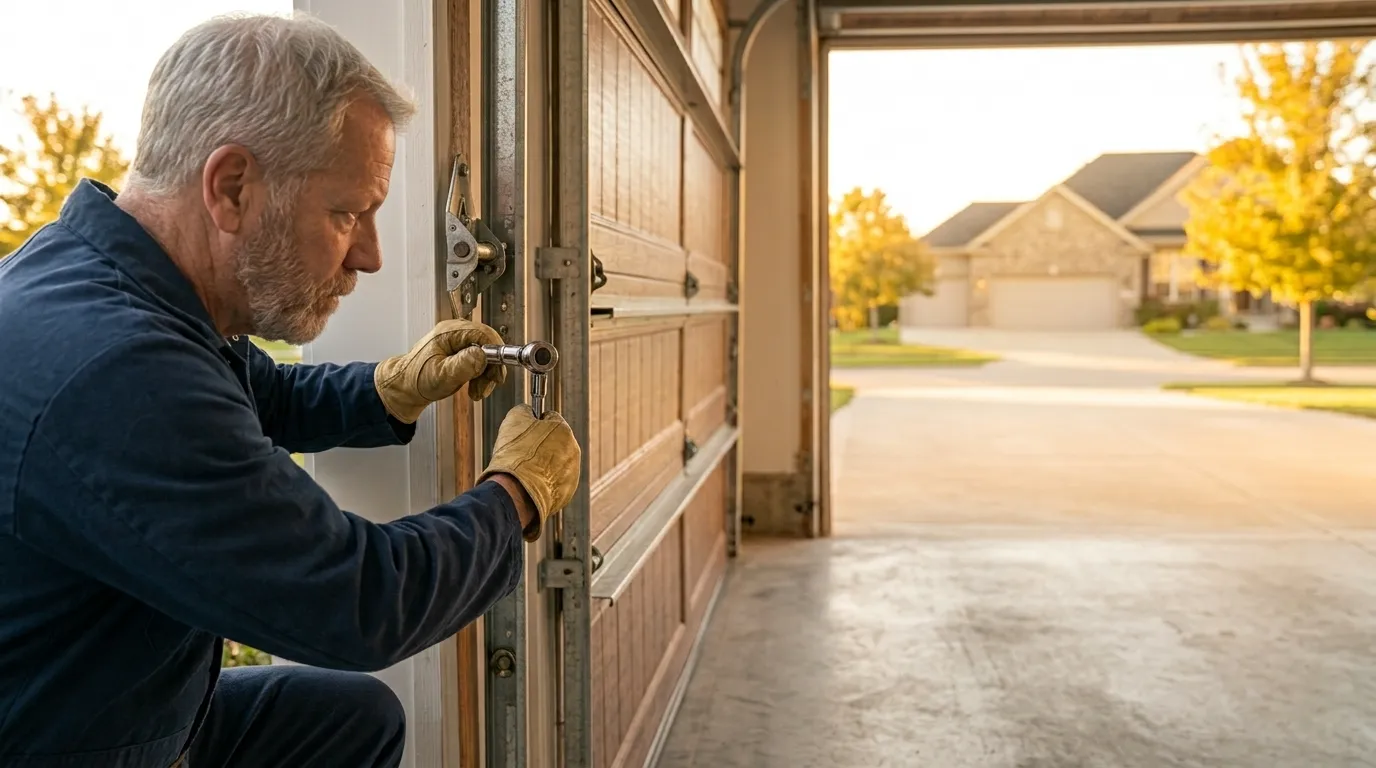
Housing in the Pekin service area was built mostly between 1938 and 2002, with a median build year of 1964, and the bulk of the stock across the area's 25 named neighborhoods dates to the 1960s and 70s. That matters here specifically because openers from that build era, and even the replacements installed in the decades since, were rarely wired with a dedicated circuit or a battery backup as standard.
When the power goes out in a cold snap, a door on a 1960s-era garage is more likely to be stuck shut with no working manual release than a door in a newer subdivision would be. With roughly 27,283 owner-occupied houses in the area and a median household income of $69,906, most owners here are maintaining an older garage rather than starting fresh, which changes the math on repair versus replace.
Where People Go Wrong
The most common mistake is treating the opener like an appliance you only think about when it fails. On a house from the 1960s or 70s, the opener has often been replaced once already, but the track, hinges, and rollers underneath it are original or close to it. People swap in a new opener, expect it to fix a door that's actually dragging on worn rollers in cold-shrunk tracks, and then wonder why the new unit strains and dies early too.
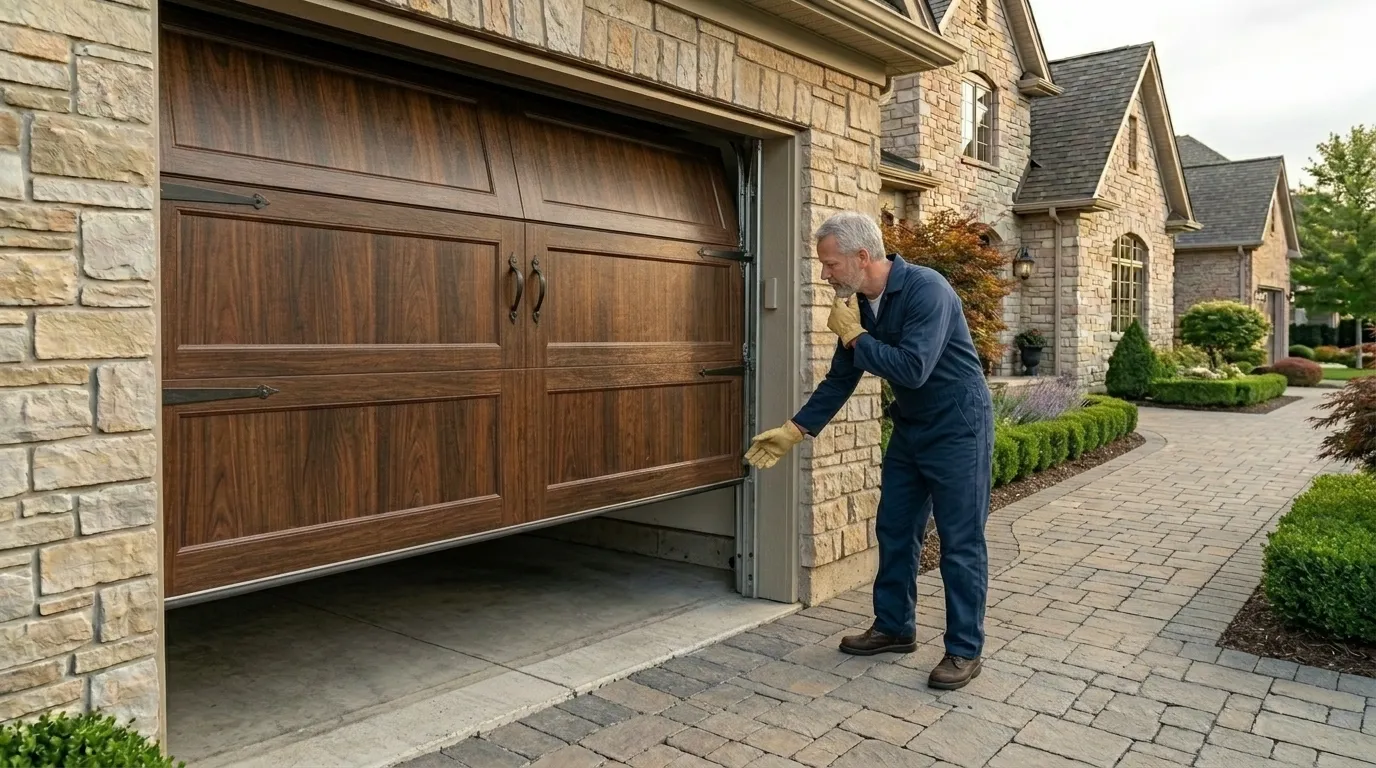
The second mistake is not knowing where the manual release cord is before a power cut happens. In a cold-moderate climate, outages cluster around ice and heavy snow, which is exactly when you need that door open or shut without power. We won't sell you a battery backup you don't need, but if your opener has no manual release you can find in the dark, that's worth fixing before winter, not after the first outage.
What Local Conditions Do
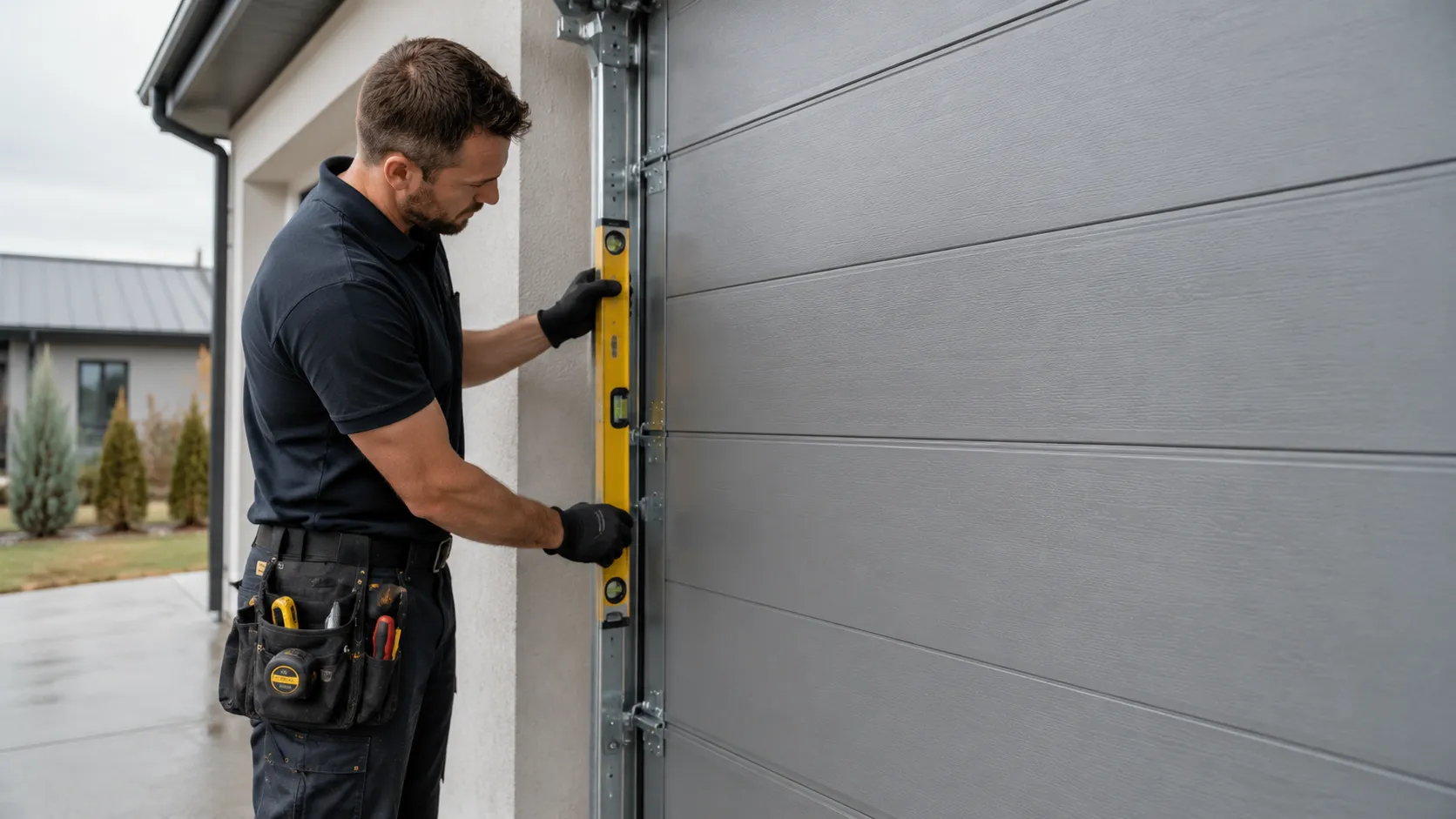
Cold-moderate winters put two specific stresses on garage doors here: metal contraction in tracks and hardware, and the electrical strain of an opener trying to move a stiffer door in low temperatures. On homes built in the 1960s and 70s, the torsion or extension spring systems are often original replacements from decades ago, sized for a lighter door than some owners have since installed. Cold makes steel springs slightly more brittle and more likely to snap on the coldest mornings, which is when calls spike.
None of the towns near Pekin get a different winter than Pekin does, but the age of the housing stock is what turns a normal cold snap into a stuck door or a dead opener. That's a local fact about the buildings, not the weather alone.
How We Can Help
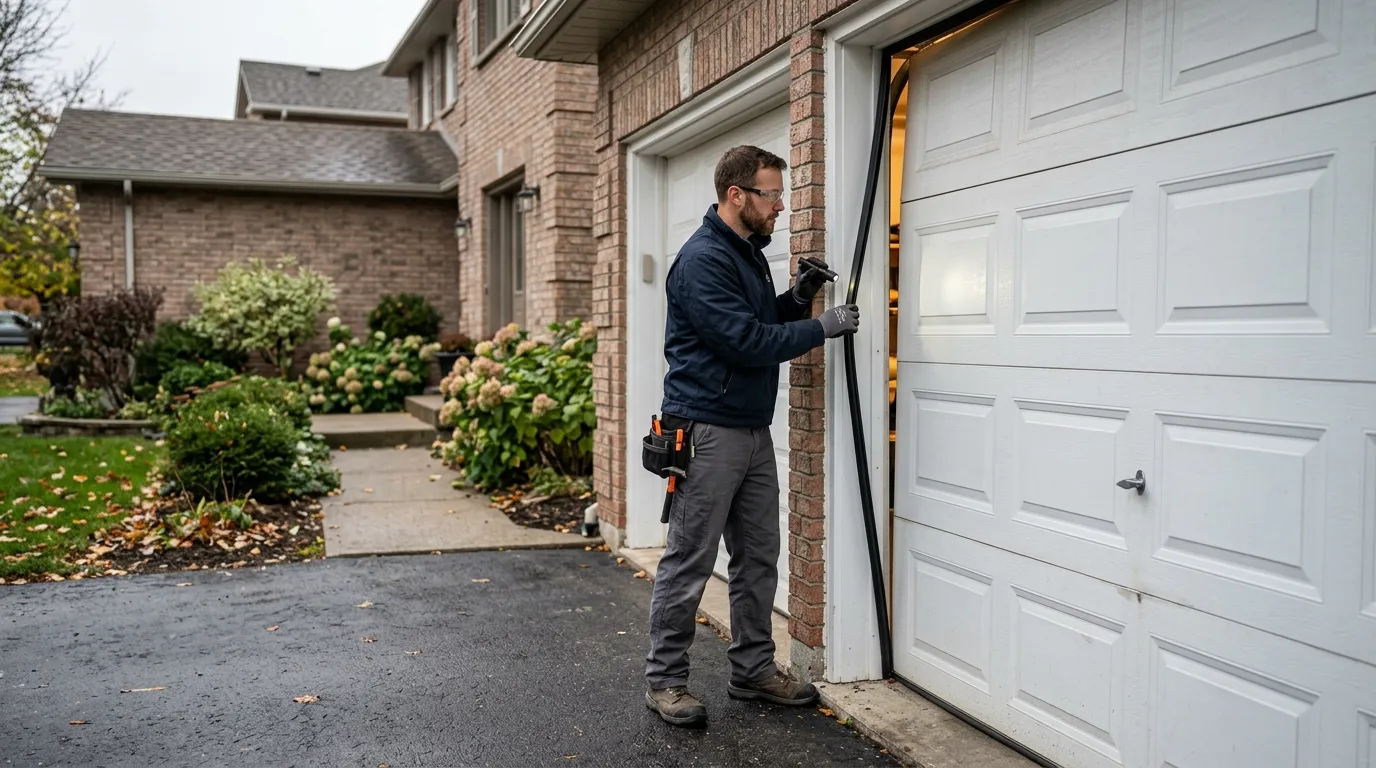
Garage Door Repair
Springs, cables, tracks, rollers, and openers fixed by a tech who explains the problem before touching anything.
Learn more →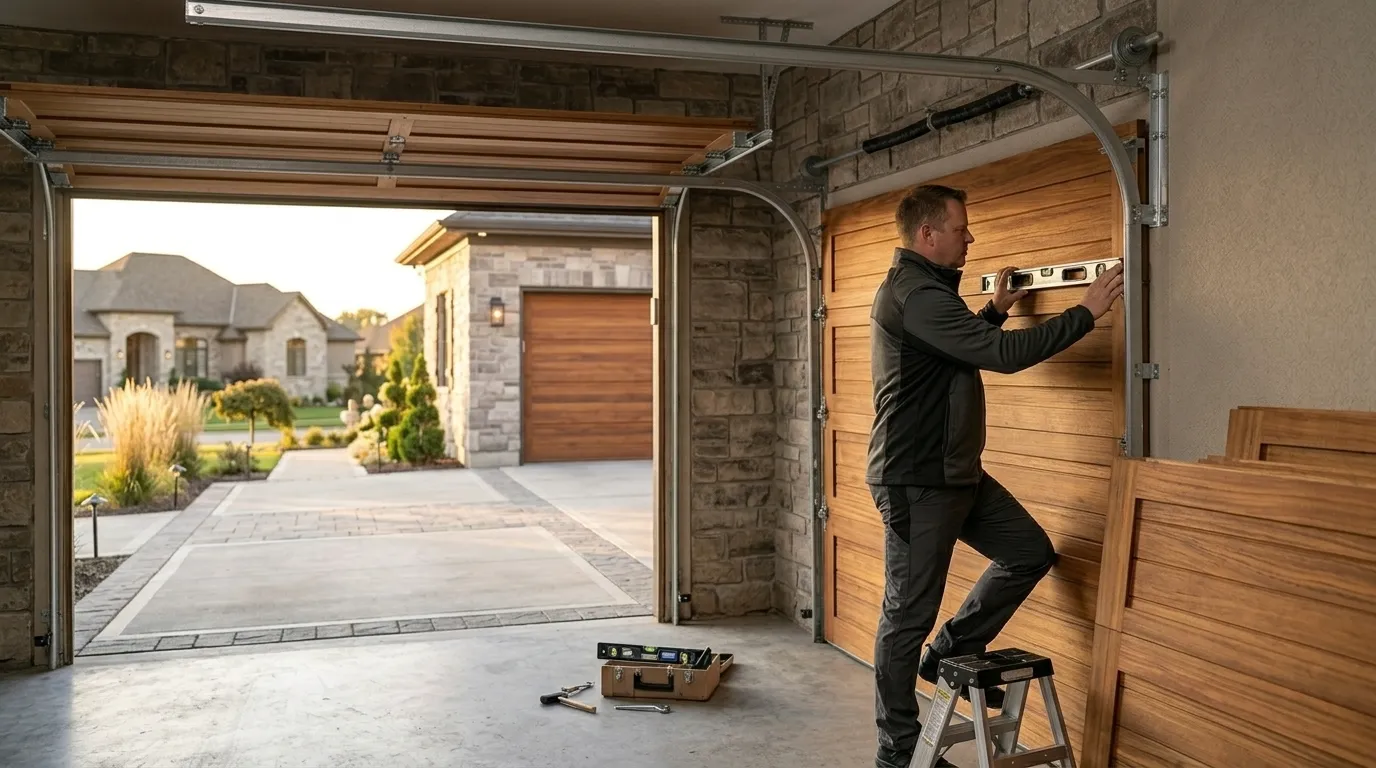
Garage Door Installation
New sectional doors sized and installed for the housing stock actually built in this area.
Learn more →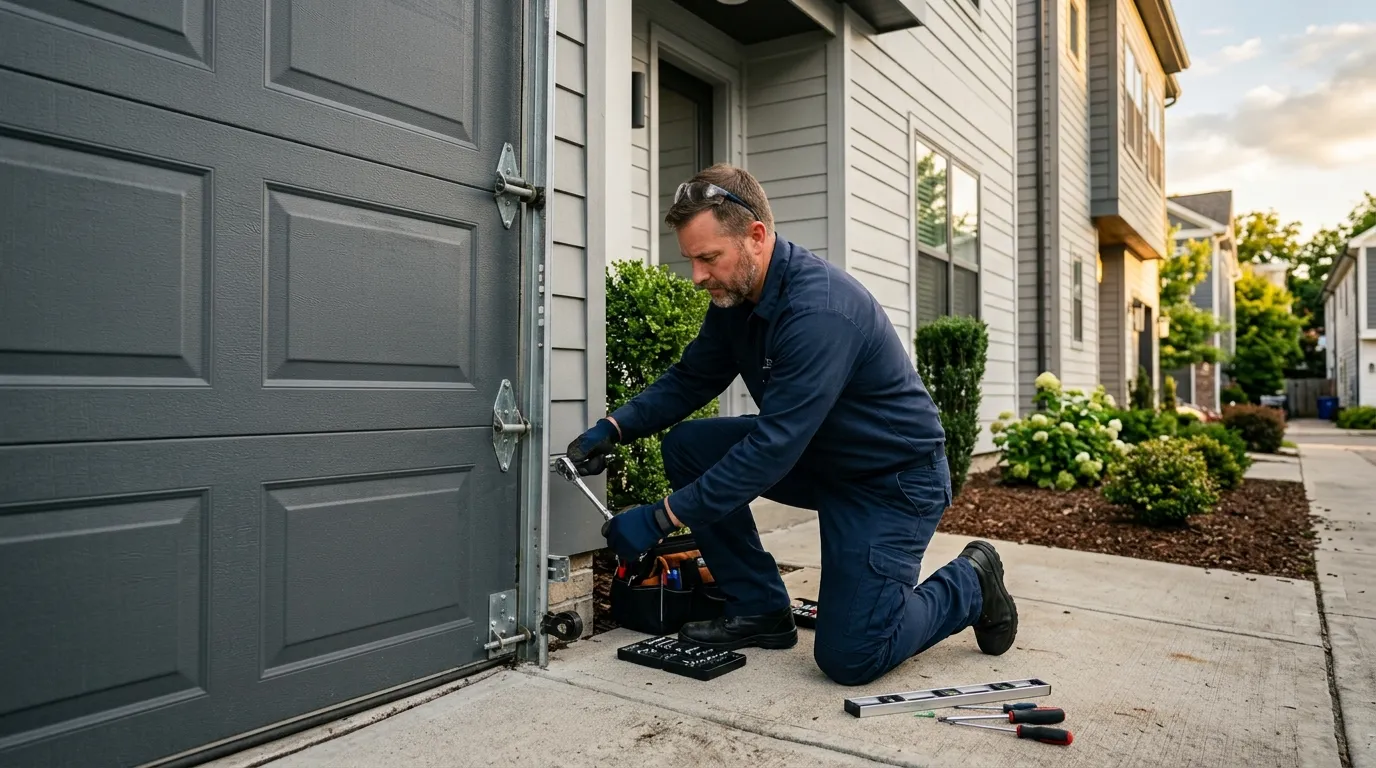
Garage Door Service
Tune-ups, lubrication, and safety checks that catch a small problem before it becomes a service call.
Learn more →Frequently Asked Questions
Why does my opener struggle more in January than in October?
Cold makes grease inside the opener and hardware stiffen, so the motor has to pull harder to move the same door. On an older opener, especially one paired with original 1960s or 70s track and rollers, that extra strain is often what finally burns out the motor in the coldest months.
Does my house need a battery backup opener?
Not automatically. It depends on whether you can operate the manual release safely without power. If you already know where the release cord is and can lift the door by hand, a backup battery is a convenience, not a necessity. If you can't, that's the gap worth closing first.
Is my door's age the real problem or is it the cold?
Usually both, but the age matters more. A door and opener installed to handle a house built in 1964 wasn't engineered with today's insulated panels or backup power in mind. The cold just exposes wear that's already there.
Have a Door That Needs a Second Opinion?
Call and describe what it is doing - we will tell you what it likely is.